By Dr Natalie Thompson
Lecturer, Charles Sturt
University Australia
“One of my biggest learnings from this work is the central importance of an inclusive attitude.” I have been working in inclusive education since 2004. I have seen little change despite enormous advocacy, incredibly dedicated and knowledgeable teachers, the emergence of possibilities including those offered by digital technologies, and copious amounts of high-quality research. I worked closely with people with lived experience of disability to co-design a suite of courses for those interested in creating disability-affirming classrooms. I learned more about inclusive education in those six months than I did in all my years in the classroom, in my honours degree in special education, or in my doctoral research. I have learned that as an enabled person, I am limited in my ability to see all that is needed for true inclusion. Living with a disability often means more contact with the health system. To me, these interactions demonstrate that a more inclusive education system and a more inclusive future require the centering of disabled voices, disabled leaders, and disabled decision-makers.
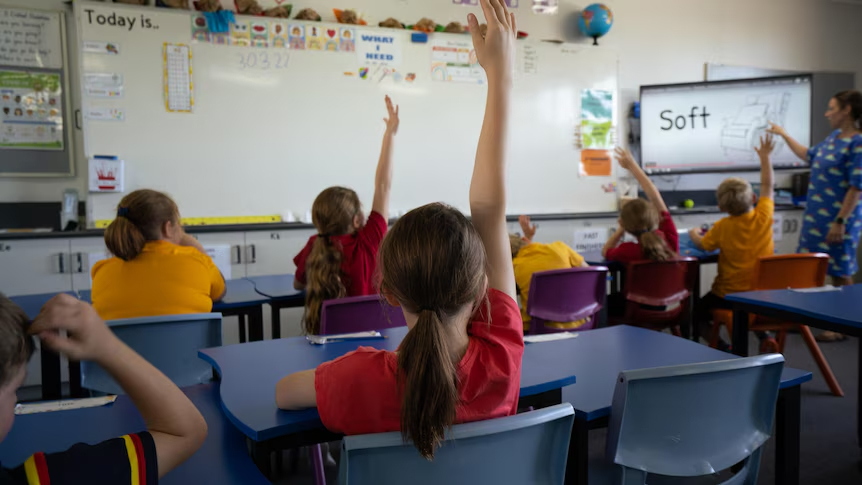
It’s true that many schools are not very inclusive right now, and that systemic change and serious funding are needed. Inclusive change is also within an individual’s influence. Inclusive education is not just a legal requirement, but also the right thing to do. More than 21 percent of people in Australia have a disability, so of course their needs should be considered in the design of society’s institutions, such as schools. The journey towards an inclusive and equitable future requires all of us to act, but not just by doing more — also by doing better by listening to and following those with lived experience.
One of my biggest learnings from this work is the central importance of an inclusive attitude. One way that I have cultivated my own inclusive attitude is by learning about disability-affirming approaches that draw on a social model of disability. This model positions disability as a normal aspect of human diversity and, as such, as something designed for and welcomed — in schools and the wider community. Ultimately, inclusive education cannot be built without those who have been excluded for far too long. When we design education in ways that center disabled voices, we create learning environments that are more flexible, responsive, and enriching for all students.